Sleep Restriction and Changes in Fat Oxidation Preference
Analyzing substrate selection shifts and reduced lipid oxidation during acute and chronic sleep deprivation.
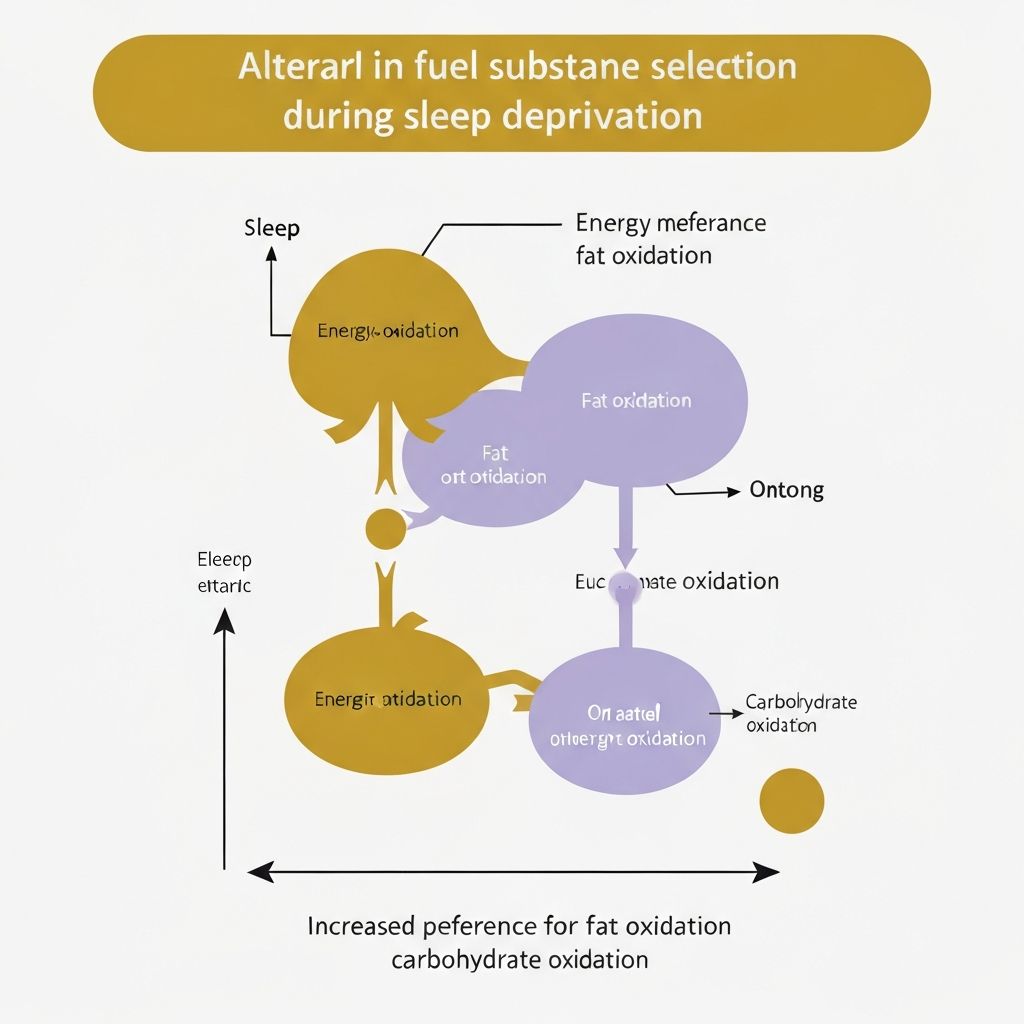
Substrate Utilization During Adequate Sleep
During periods of adequate sleep (typically 7-9 hours), the human body demonstrates preferential reliance on lipids as fuel substrate, particularly during sleep hours when energy demands are reduced and carbohydrate intake is absent. This fat-preferential metabolism during sleep reflects several physiological conditions: reduced insulin concentration, elevated free fatty acid availability, suppressed sympathetic nervous system tone, and elevated epinephrine sensitivity of adipose tissue triglyceride lipase. The combination of these factors creates metabolic conditions optimizing lipid mobilization and oxidation.
Calorimetrically measured sleeping metabolic rate during adequate sleep demonstrates lipid oxidation rates of 50-80 grams per hour depending on body composition, baseline fitness level, and sleep depth. This substantial lipid oxidation during sleep contributes meaningfully to 24-hour energy expenditure and lipid turnover. The preservation of this lipid oxidation during sleep represents an important aspect of energy metabolism optimization in populations with adequate sleep duration.
Acute Sleep Deprivation and Immediate Metabolic Effects
Acute sleep deprivation—single night or several nights of severely restricted sleep—produces rapid shifts in substrate utilization patterns. Studies employing whole-body calorimetry demonstrate that a single night of complete sleep deprivation reduces subsequent fat oxidation rates by 15-25% and increases relative carbohydrate oxidation. This shift toward carbohydrate dependence reflects elevated cortisol concentrations that suppress lipolysis, increased nocturnal glucose production, and sustained sympathomimetic stimulation that preferentially mobilizes glucose rather than lipids.
The magnitude of substrate utilization shift following acute sleep deprivation correlates with the degree of sleep loss and the baseline metabolic status of the individual. Lean individuals demonstrate greater lipid oxidation suppression than obese individuals following sleep deprivation. Furthermore, the timing of sleep deprivation affects the magnitude of metabolic disruption, with deprivation during early night producing greater metabolic effects than deprivation during late morning.
Chronic Sleep Restriction and Persistent Metabolic Dysregulation
Chronic sleep restriction—sustained periods of reduced sleep duration or quality—produces more substantial and persistent alterations in substrate utilization. Individuals habitually sleeping 4-6 hours nightly demonstrate reduced 24-hour lipid oxidation rates of 20-35% compared to those sleeping 7-9 hours. This chronic reduction in lipid oxidation accompanies persistently elevated cortisol concentrations, sustained mild sympathetic elevation, and chronically impaired insulin sensitivity.
The reduced lipid oxidation in chronic sleep restriction occurs despite often-elevated free fatty acid concentrations, indicating an actual impairment in the capacity to oxidize available lipids. This disconnect between available lipids and oxidation capacity suggests that sleep deprivation produces metabolic inflexibility—reduced ability to shift between fuel substrates and preferential reliance on carbohydrate pathways. Metabolic inflexibility may reflect alterations in mitochondrial oxidative capacity and dysregulation of the signaling pathways controlling fuel substrate selection.
Hormonal Mechanisms Driving Substrate Selection Changes
The shift from lipid to carbohydrate predominance during sleep restriction reflects dysregulation of multiple hormonal systems. Elevated cortisol during sleep restriction suppresses hormone-sensitive lipase activity and reduces adipose tissue lipolysis, directly decreasing free fatty acid availability. Simultaneously, elevated insulin concentrations (despite reduced insulin sensitivity) suppress hormone-sensitive lipase and promote lipid storage in adipose tissue. Elevated norepinephrine tone in sleep-restricted individuals promotes carbohydrate mobilization through glycogenolysis and gluconeogenesis while simultaneously failing to adequately mobilize lipid stores.
Growth hormone deficiency in sleep-restricted individuals removes a significant lipid-mobilizing signal, further reducing lipolytic drive. Reduced adiponectin concentrations in sleep-restricted populations impair the capacity for lipid oxidation in mitochondria through reduced AMP-activated protein kinase (AMPK) activation. The net result of these coordinated hormonal changes is reduced lipid availability and reduced lipid oxidation capacity, driving carbohydrate dependence.
Energy Intake Changes Accompanying Substrate Utilization Shifts
Sleep restriction-induced shifts toward carbohydrate dependence accompany substantial increases in dietary carbohydrate consumption. Experimental sleep deprivation studies demonstrate that individuals increase caloric intake by 200-500 kilocalories daily when restricted to 4 hours of sleep compared to 8-hour sleep nights, with the increased intake consisting primarily of high-glycemic carbohydrates and sugary foods. This preferential selection of carbohydrate-rich foods reflects both increased hunger perception (driven by elevated ghrelin and reduced leptin) and altered hedonic food preferences influenced by sleep-deprived brain reward pathway activation.
The combination of reduced lipid oxidation capacity and increased carbohydrate intake creates conditions strongly promoting positive energy balance and potential weight gain during periods of chronic sleep restriction. The metabolic flexibility impairment observed in sleep restriction may represent a physiological adaptation conserving carbohydrate-dependent pathways but with the maladaptive consequence of reduced lipid oxidation in modern environments with abundant food availability.
Limitations and Context: This article presents research findings on sleep deprivation and substrate utilization. Individual responses to sleep restriction vary considerably based on genetic factors, habitual physical activity, dietary composition, and underlying metabolic status. This content is for educational purposes only and does not constitute medical advice or personalized nutritional recommendations.
Explore sleep and lipid metabolism research
Discover additional articles examining circadian rhythms, insulin sensitivity, and longitudinal associations between sleep and metabolic outcomes.
Return to blog overview